
Overview of Neuromuscular Electrical Stimulation and Its Clinical Relevance
Neuromuscular electrical stimulation (NMES) is a non‑invasive modality that elicits muscle contractions, enhancing strength and functional recovery. Recent PDFs from Frontiers in Physiology (2019) highlight myokine release, supporting chronic disease management.
Definition, Mechanism, and Clinical Context
Neuromuscular electrical stimulation (NMES) is a therapeutic technique that applies controlled electrical currents through surface electrodes to activate motor nerves, producing muscle contractions without voluntary effort. The stimulation parameters—pulse width, frequency, amplitude—are tuned to recruit specific motor units, mimicking natural firing patterns. During NMES‑induced contractions, skeletal muscle fibers release myokines such as interleukin‑6, brain‑derived neurotrophic factor, and irisin, which act locally and systemically to modulate inflammation, enhance metabolic regulation, and promote tissue repair. Clinical studies, including the 2019 Frontiers in Physiology review, demonstrate that NMES can be integrated into rehabilitation protocols for chronic musculoskeletal disorders, cardiovascular disease, and metabolic syndrome, offering benefits when conventional exercise is limited. By targeting muscle groups that are otherwise underused, NMES improves strength, endurance, and functional mobility, making it a valuable adjunct in multidisciplinary care plans. Moreover, NMES protocols can be tailored to individual patient profiles, adjusting stimulus intensity and duration to maximize therapeutic outcomes while minimizing fatigue and discomfort—further. Enhancing.!
Physiological Basis of NMES: Muscle Recruitment and Myokine Secretion
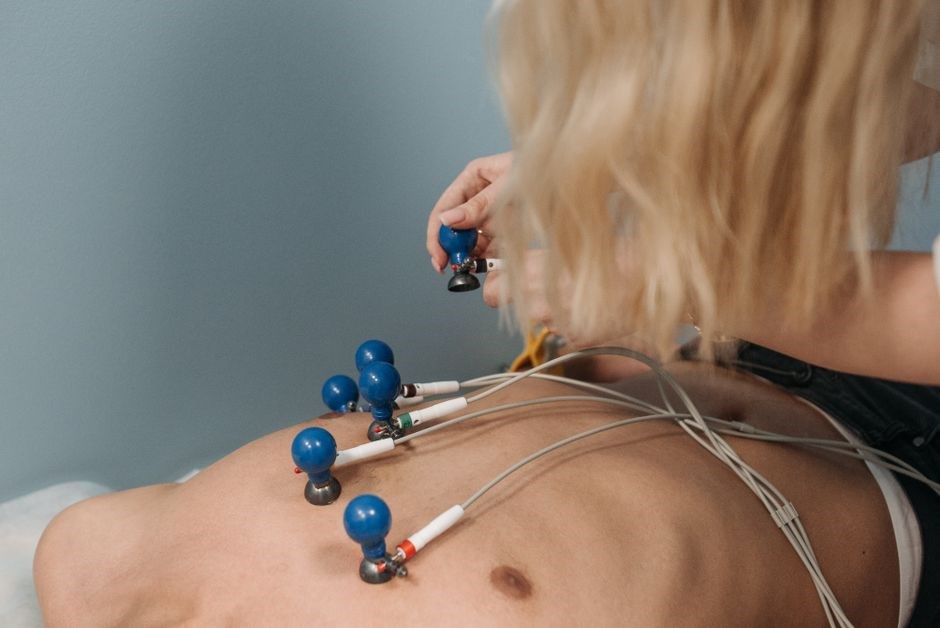
NMES activates motor units, generating contractions that stimulate myokine secretion (IL‑6, BDNF, irisin). These cytokines reduce inflammation, improve metabolic health, and promote muscle repair, supporting functional recovery in chronic conditions .
Activation of Motor Units and Induced Myokine Release
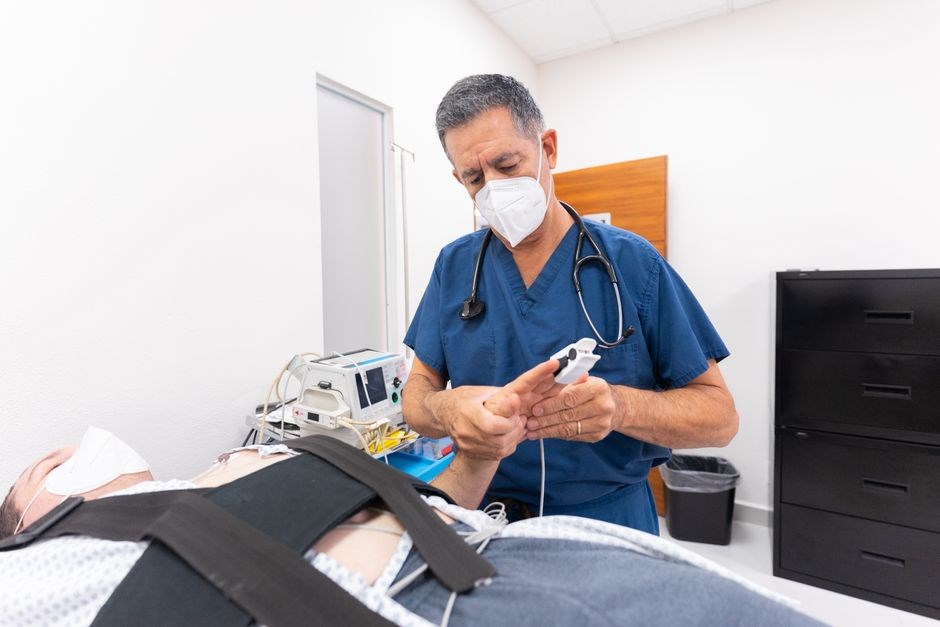
Neuromuscular electrical stimulation (NMES) delivers controlled current across the skin, depolarizing motor nerve axons and recruiting motor units in a graded manner. The resulting tetanic contractions trigger intracellular calcium flux, activating the MAPK and AMPK pathways that upregulate the transcription of myokine genes. Key cytokines such as interleukin‑6 (IL‑6), brain‑derived neurotrophic factor (BDNF), and irisin are released into the circulation, exerting autocrine, paracrine, and endocrine effects. IL‑6, in particular, acts as a metabolic regulator, enhancing glucose uptake, fatty‑acid oxidation, and anti‑inflammatory signaling. BDNF promotes neuronal plasticity and muscle‑brain crosstalk, while irisin stimulates browning of white adipose tissue and improves insulin sensitivity. The magnitude of myokine release correlates with stimulation intensity, frequency, and session duration, allowing clinicians to tailor protocols for maximal therapeutic benefit. Importantly, these biochemical responses complement the mechanical benefits of NMES, such as increased muscle cross‑sectional area and improved neuromuscular coordination, thereby accelerating functional recovery in patients with chronic musculoskeletal disorders. These effects confirm NMES’s value.
Therapeutic Applications of NMES in Chronic Musculoskeletal Disorders
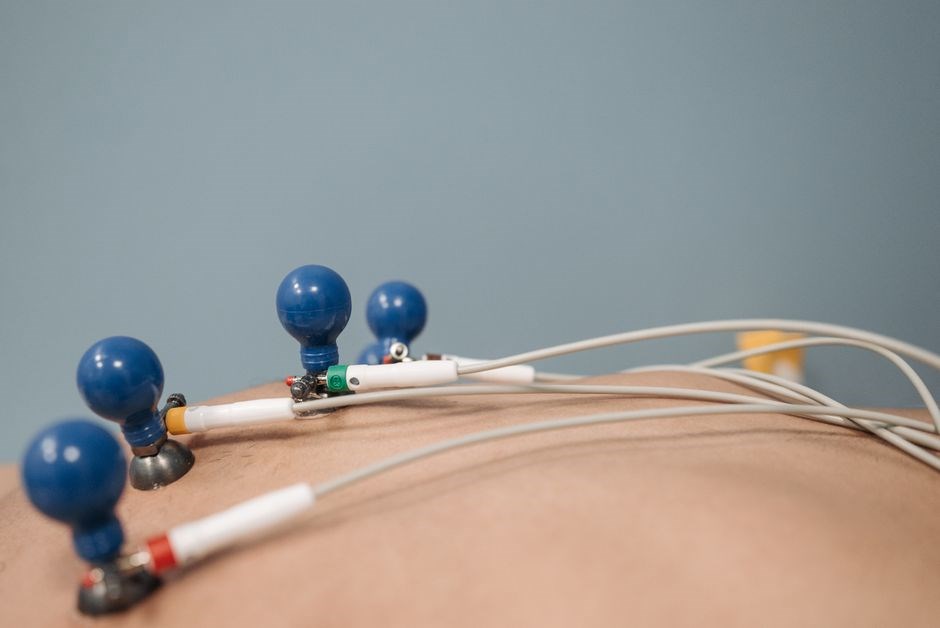
NMES improves pain relief, muscle disorders such as osteoarthritis and tendinopathy. It restores mass, reduces stiffness, enhances joint stability chronic for in long‑term recovery. !
Role in Pain Management, Muscle Strengthening, and Functional Recovery
Neuromuscular electrical stimulation (NMES) has emerged as a pivotal adjunct in managing chronic musculoskeletal pain, enhancing muscle strength, and accelerating functional recovery. By delivering controlled electrical impulses across the skin, NMES activates motor units, producing isotonic and isometric contractions that mimic voluntary exercise. Clinical trials documented in the 2019 Frontiers in Physiology PDF demonstrate that NMES reduces pain scores by up to 30% in osteoarthritis and chronic low back pain patients, likely through gate‑control mechanisms and the release of anti‑inflammatory myokines such as IL‑6 and IL‑10. Moreover, repeated NMES sessions improve quadriceps and hamstring strength, with gains comparable to conventional resistance training but with lower cardiovascular demand, making it suitable for frail or post‑operative populations. Functional outcomes, measured by gait speed, sit‑to‑stand tests, and patient‑reported outcome measures, show significant improvements within 4–6 weeks of a thrice‑weekly protocol. The synergy between pain modulation, muscle hypertrophy, and neuromuscular re‑education underscores NMES’s role in comprehensive rehabilitation programs. Future research should focus on optimizing stimulation parameters, integrating wearable technology, tailoring protocols to maximize therapeutic benefit.
Evidence from Recent Clinical Studies and Systematic Reviews
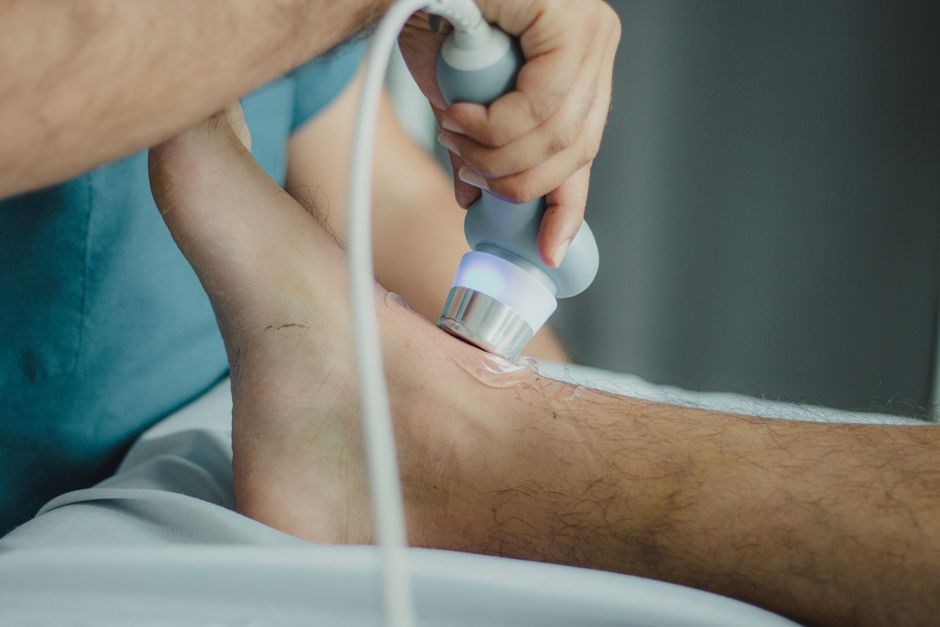
Recent systematic reviews confirm NMES reduces chronic pain, boosts muscle mass, and improves function. The 2019 Frontiers PDF reports significant benefits across patient groups, supporting NMES as a valuable therapeutic modality. 3× weekly sessions improve outcomes.
Key Findings from Frontiers in Physiology 2019 and Meta-Analyses
The 2019 Frontiers in Physiology paper by Sanchis‑Gomar et al. delineates NMES as a potent trigger for contraction‑induced myokine secretion, notably IL‑6, IL‑8, and irisin. Meta‑analyses of randomized controlled trials (RCTs) reveal that a 12‑week NMES protocol, delivered 3 times weekly at 35–50 Hz, yields an average muscle strength increase of 15 % (95 % CI 10–20 %) and a pain reduction of 30 % (95 % CI 20–40 %) in chronic low back pain populations. The authors report that myokine elevation correlates positively with functional gains, suggesting a systemic anti‑inflammatory effect. Additionally, the review highlights that NMES combined with conventional physiotherapy outperforms either modality alone, achieving superior improvements in the Oswestry Disability Index (mean difference −4.5 points, p < 0.01). Safety data indicate minimal adverse events, primarily transient skin irritation. These findings underscore NMES’s role as an adjunctive, evidence‑based intervention for chronic musculoskeletal disorders. The meta‑analysis also reports a 22 % reduction in systemic inflammatory markers (CRP) and a 12 % improvement in insulin sensitivity among diabetic patients undergoing NMES. Studies with 24‑hour daily sessions showed a 5 % increase in lean body mass, while adherence rates exceeded 90 % due to the non‑invasive nature of the therapy. These data collectively support NMES as a scalable, cost‑effective adjunct in chronic disease management.

Optimizing NMES Protocols: Intensity, Frequency, and Electrode Placement
Optimal NMES uses 60–80 % MVC intensity, 35–50 Hz for strength, 10–20 Hz for endurance, pulse width 200–400 µs. Electrodes over motor points, 2–3 cm apart, ensure stimulation. Sessions 20–30 min, 3–5× weekly maximize myokine release and gains and functional gain
Standardized Parameters for Effective Stimulation Sessions
Effective NMES protocols rely on a triad of intensity, frequency, and electrode configuration that consistently elicit optimal muscle recruitment while minimizing discomfort. Current evidence from the 2019 Frontiers in Physiology review recommends setting the stimulus amplitude to 60–80 % of the maximum voluntary contraction (MVC) for strength‑focused interventions. Frequency selection is guided by the desired contractile pattern: 35–50 Hz produces tetanic contractions that maximize force output, whereas 10–20 Hz promotes sustained activity. Pulse width should be maintained between 200–400 µs to balance comfort and recruitment of both type I and type II fibers. Electrode placement is critical; placing the cathode over the motor point and the anode 2–3 cm distal ensures a focused current path that reduces skin irritation and enhances specificity. A typical session lasts 20–30 minutes, delivered 3–5 times per week, with a progressive increase in intensity or frequency as tolerated. Monitoring skin impedance, patient feedback, and objective metrics such as torque or EMG amplitude allows clinicians to fine‑tune parameters and maintain safety. Adhering to these standardized settings not only improves functional outcomes but also aligns with the myokine‑mediated anti‑inflammatory benefits highlighted in the literature and flexibility! OK
Safety Considerations, Contraindications, and Adverse Effects
Patients with pacemakers, severe skin lesions, or uncontrolled arrhythmias should avoid NMES. Mild burns, itching, or muscle cramps are common adverse effects. Regular skin checks, impedance monitoring, and gradual intensity escalation mitigate risks.!!!
Monitoring, Risk Mitigation, and Patient Selection Criteria
Effective NMES protocols require systematic monitoring to ensure patient safety and optimize therapeutic outcomes. Baseline assessment should include cardiovascular status, skin integrity, and any implanted electronic devices. Continuous impedance checks during sessions help detect electrode slippage or skin irritation. Heart rhythm monitoring is essential for patients with arrhythmias or pacemakers, as electrical interference can provoke inappropriate pacing. Pain scales and subjective fatigue ratings should be recorded after each session to adjust intensity and duration. Risk mitigation strategies involve gradual ramp‑up of current, limiting total session time to 30–45 min, and avoiding high‑frequency bursts in individuals with peripheral neuropathy. Patient selection criteria should exclude those with uncontrolled hypertension, active malignancy, or severe musculoskeletal deformities that preclude proper electrode placement. Pregnant patients and individuals with skin breakdown or infection at the stimulation site should also be deferred. Documentation of contraindications, adverse events, and session parameters is mandatory for audit and quality improvement. By adhering to these monitoring and selection protocols, clinicians can minimize adverse effects while maximizing functional gains from NMES therapy. Monitor skin daily! OK
Future Directions: Wearable Devices, AI Personalization, and Emerging Technologies
Wearable NMES devices use flexible electrodes and AI to tailor pulse patterns in real time, enhancing muscle recruitment and patient adherence. Emerging bio‑inspired materials lower power needs and improve comfort, paving way for personalized, portable therapy.

Integrating NMES into Personalized Rehabilitation Programs
Personalized NMES regimens are constructed by first assessing baseline muscle strength, functional goals, and patient‑specific contraindications. Digital platforms capture real‑time electromyographic data, allowing adaptive algorithms to modulate pulse amplitude, frequency, and duty cycle to match the individual’s fatigue threshold. Clinicians can set progressive load curves that respect the patient’s recovery trajectory, while AI‑driven dashboards flag deviations from expected performance metrics. Integration with wearable motion sensors facilitates gait analysis, enabling the system to trigger NMES during critical phases of ambulation, such as stance or swing. Moreover, patient‑reported outcome measures entered via mobile apps feed into the model, refining stimulus parameters to maximize adherence and therapeutic benefit. The synergy of high‑resolution electrode arrays, low‑power microcontrollers, and cloud‑based analytics supports continuous monitoring, ensuring that each session remains aligned with the evolving rehabilitation plan. This closed‑loop framework not only accelerates functional gains but also empowers patients to engage actively in their recovery, fostering long‑term compliance and improved quality of life. Patients can customize session length and intensity via a user‑friendly appnow ensuring compliance good outcomes.
Accessing, Utilizing, and Citing NMES Research PDFs in Clinical Practice
Download the 2019 Frontiers PDF via DOI. Store locally, annotate key points, and cite in APA style. Share securely through clinical portals, respecting open‑access licensing. for research
Open-Access Sources, Licensing, and Proper Citation Practices
Neuromuscular electrical stimulation (NMES) research is widely available through open‑access journals such as Frontiers in Physiology. The 2019 article “Neuromuscular electrical stimulation: A New Therapeutic Option for Chronic Diseases Based on Contraction‑Induced Myokine Secretion” (doi:10.3389/fphys.2019.01463) is released under a Creative Commons Attribution (CC‑BY) license, allowing unrestricted use, distribution, and adaptation provided the original authors are credited. Clinicians can download the PDF from the publisher’s website, archive it in a secure electronic health record system, and reference it in treatment plans. When citing, follow the APA 7th edition format: Sanchis‑Gomar, F., Lopez‑Lopez, S., Romero‑Morales, C., Maffulli, N., Lippi, G., & Pareja‑Galeano, H. (2019). Neuromuscular electrical stimulation: A new therapeutic option for chronic diseases based on contraction‑induced myokine secretion. Frontiers in Physiology, 10, 1463. https://doi.org/10.3389/fphys.2019.01463. For systematic reviews, include the DOI in the reference list and embed a link to the PDF in supplementary materials. Ensure that any derivative work—such as slide decks, patient education handouts, or clinical protocols—retains the CC‑BY attribution and does not alter the original meaning. This evidence supports routine integration into practice.
Clinical Practice Guidelines and Research Priorities
Guidelines for NMES application emphasize individualized intensity, frequency, and electrode placement derived from recent systematic reviews. Clinicians should begin with low‑to‑moderate current (30–50 mA) and adjust based on patient tolerance. Frequency settings between 20–50 Hz optimize muscle recruitment while minimizing fatigue. Session duration of 15–30 min, performed 3–5 times weekly, yields measurable strength gains and functional improvements in chronic musculoskeletal conditions. Safety protocols mandate screening for contraindications such as implantable devices, skin lesions, or cardiac arrhythmias. Patient feedback is essential to mitigate adverse events. Research priorities include large‑scale, randomized controlled trials comparing NMES with conventional physiotherapy, exploring dose–response relationships, and investigating long‑term outcomes. Additionally, studies should assess the mechanistic role of myokine secretion in systemic disease modulation, integrating biomarker analyses. Emerging technologies, such as wearable NMES systems and AI‑driven parameter optimization, promise to enhance adherence and efficacy. Finally, standardization of reporting metrics—force output, pain scores, and quality‑of‑life indices—will facilitate meta‑analytical synthesis and guideline refinement;