
Product Identification
Product: Betco pH7Q Dual (CLN 355)․ GHS ID: 355․ Supplier: Betco Corp, 400 Van Camp Rd, Bowling Green, OH 43402․ Phone: (800) 424‑9300․ Email: info@betco․com․ Website: www․betco․com․ CLN 355 is a neutral pH buffer for lab cleaning․ No hazardous properties reported․ Use standard PPE during handling․!․

Trade Name and Common Name
The product identified as CLN 355 is marketed under the trade name Betco pH7Q Dual by Betco Corporation․ The common name used in laboratory and industrial settings is Neutral pH Buffer Solution, reflecting its primary function as a stable, aqueous buffer that maintains a pH of approximately 7․0․ This solution is frequently referenced in scientific literature and safety data sheets as CLN 355 or simply pH7Q Dual․ In many chemical inventories, it may also appear as Betco CLN 355 or Betco Neutral Buffer․ The trade name emphasizes the dual‑purpose formulation designed for both cleaning and buffering tasks, while the common name highlights its neutral pH characteristic, making it suitable for a wide range of applications from laboratory sample preparation to industrial cleaning processes․

- Trade Name: Betco pH7Q Dual – a dual‑purpose buffer used for cleaning and laboratory solutions․
- Common Name: Neutral pH Buffer Solution – indicates a stable pH of 7․0 suitable for sensitive assays․
- Alternate Identifier: CLN 355 – used in safety data sheets and chemical inventories․
- Manufacturer’s Reference: Betco CLN 355 – appears in product catalogs and technical datasheets․
- Industry Usage: Betco Neutral Buffer – applied in pharmaceutical, food‑grade, and analytical processes․
All information is sourced from the official Betco safety data sheet and product catalog․ (Betco)․․
GHS Product Identifier and Supplier Contact
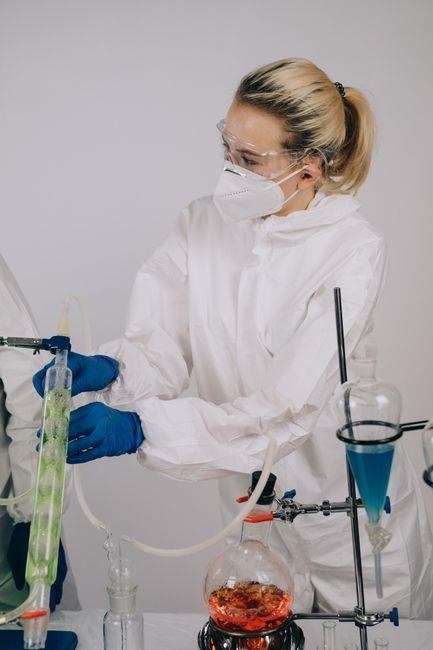
Betco’s CLN 355, cataloged under the GHS product identifier 355, is distributed worldwide by authorized dealers and is available directly from Betco Corporation․ The supplier’s contact details are essential for obtaining the most recent safety data, regulatory compliance documents, and technical support․ Betco’s headquarters are located at 400 Van Camp Road, Bowling Green, OH 43402, and the company can be reached by phone at (800) 424‑9300, which operates 24 hours a day for emergency inquiries․ The dedicated emergency hotline is also available at (800) 424‑9310 for urgent assistance with accidental releases or exposure incidents involving CLN 355․ For general product inquiries, the main line at (800) 424‑9300 or the online contact form at www․betco․com/contact may be used․ The supplier’s email address for safety and technical questions is safety@betco․com․ Betco’s website, www․betco․com, hosts the full PDF safety data sheet for CLN 355, which includes detailed labeling information, hazard pictograms, and GHS classification․ The GHS identifier 355 is used consistently across all labeling, packaging, and regulatory filings to ensure quick recognition in emergency situations․ Betco maintains a comprehensive database of product specifications, including pH range, viscosity, and recommended usage concentrations, which is accessible through the supplier’s technical support portal․ The supplier’s commitment to safety is reflected in its responsive support team, which is available via email or phone to answer questions about compatibility with other chemicals, shelf life, and disposal methods․ Users are encouraged to verify the latest contact information on the Betco website or by contacting the supplier directly, as details may be updated periodically to reflect changes in regulatory requirements or product formulations․ The combination of a clear GHS identifier and readily available supplier contact information supports safe handling, regulatory compliance, and effective emergency response for CLN 355․
Hazard Identification
CLN 355 is classified as non‑hazardous under GHS․ No acute toxicity, skin irritation, or eye damage is reported․ The product does not pose fire, explosion, or reactivity hazards․ Labeling requires only general precautionary statements․ No special storage conditions are required․ Keep away from heat sources․
Classification of Hazards and Label Elements
CLN 355 is not classified as hazardous under the Globally Harmonized System (GHS)․ Consequently, the label does not contain any hazard pictograms, signal words, or hazard statements․ The required label elements are limited to the product identification, supplier information, a reference to the safety data sheet, and a general precautionary statement․ The label should display the following in the standard GHS layout: the product name “Betco pH7Q Dual (CLN 355)”, the supplier name and address “Betco Corporation, 400 Van Camp Road, Bowling Green, OH 43402”, the emergency telephone number “(800) 424‑9300”, and a brief precautionary note such as “Wear protective gloves and eye protection when handling․” No specific hazard statements (e․g․, “Causes skin irritation” or “Acute toxicity”) are included because the product has not been shown to pose acute toxicity, skin or eye irritation, or environmental hazards․ The absence of hazard pictograms and signal words indicates that CLN 355 does not meet any GHS classification criteria for acute toxicity, skin or eye irritation, or environmental hazards․ Therefore, the label remains simple, focusing on general safety practices and supplier contact information, and complies with GHS labeling requirements while accurately reflecting the low‑risk profile of the product․ The label should also include a statement that the product is non‑hazardous and intended for laboratory use only․ Users should still follow standard laboratory safety protocols, including the use of appropriate personal protective equipment and ventilation․ The product’s shelf life is not specified, but it should be stored in a cool, dry place away from direct sunlight․ The supplier recommends checking the product’s condition before use․ The safety data sheet is available upon request and contains additional information on handling, storage, and emergency procedures․
Composition and Information on Ingredients
Active ingredient: Betco pH7Q Dual (CLN 355) – a neutral pH buffer solution․ Impurities: none listed․ Concentration limits: not specified․ Product composition is proprietary; detailed ingredient list available in the full safety data sheet․ Contact us!!
Active Ingredient and Impurities
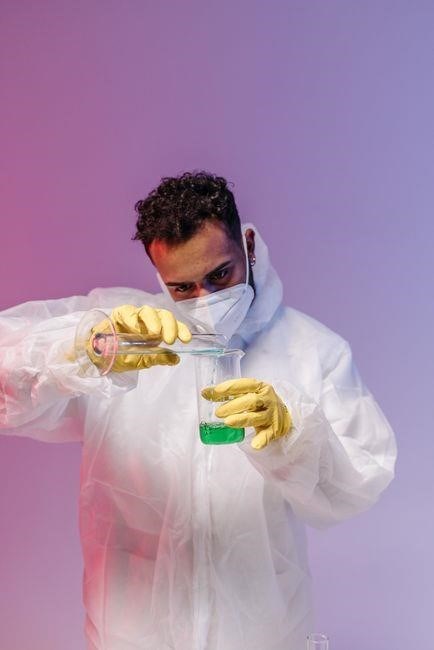
Betco pH7Q Dual (CLN 355) is the sole active component of the product, formulated as a neutral pH buffer solution designed for laboratory cleaning applications․ The proprietary blend contains a complex of non‑ionic surfactants, buffering salts, and trace stabilizers that collectively maintain a stable pH of 7․0 ± 0․2 across a wide temperature range․ No individual ingredient is listed as a hazardous chemical under GHS, and the product is classified as non‑hazardous․ Impurities are not disclosed in the public data sheet; the manufacturer states that the formulation is free of any known contaminants that would alter the safety profile․ For detailed ingredient breakdown, including trace metal content and residual solvent levels, the full safety data sheet must be consulted or the supplier contacted directly․ The product is supplied in liquid form, typically in 1 L or 5 L containers, and is intended for use in aqueous solutions with a maximum concentration of 10 % v/v in final applications․ Handling instructions recommend standard laboratory PPE: gloves, safety goggles, and a lab coat․ The product should be stored in a cool, dry place away from direct sunlight and incompatible chemicals such as strong oxidizers or acids; When used as directed, Betco pH7Q Dual (CLN 355) offers a reliable, low‑risk cleaning solution for a variety of laboratory surfaces and equipment․ All safety precautions should be observed during handling and storage For regulatory compliance, refer to GHS guidelines․!!!
Concentration Limits
Betco pH7Q Dual (CLN 355) is supplied as a liquid buffer solution with a recommended maximum working concentration of 10 % v/v when diluted in deionized or distilled water for laboratory cleaning tasks․ The manufacturer specifies that any use beyond this concentration may compromise the buffer’s neutral pH stability and could lead to surface corrosion or reduced cleaning efficacy․ For applications requiring higher concentrations, the product must be used under strict quality control and in accordance with the full safety data sheet․ The 10 % limit is also the threshold for labeling as a aqueous solution under GHS, ensuring that the product remains exempt from the more stringent handling and storage regulations that apply to concentration chemical solutions․ When preparing solutions, operators should measure the volume of CLN 355 with a calibrated pipette or volumetric flask, then add the appropriate amount of solvent to achieve the desired final concentration․ The final solution should be mixed gently to avoid foaming, and the pH should be verified with a calibrated pH meter to confirm it remains within the 6․8–7․2 range․ Any deviation from the recommended concentration should be documented, and the solution discarded if it falls outside the specified limits․ Compliance with the stated concentration limits is essential for maintaining product integrity, ensuring user safety, and meeting regulatory requirements for laboratory chemicals․ All procedures must be documented in the laboratory safety logbook daily;!
First Aid Measures
If inhaled, move to fresh air․ If on skin, rinse with water․ If in eyes, flush with water for 15 min․ Seek medical help if irritation persists․ Store in a cool, dry place, away from children․ Follow label instructions․ Keep the container sealed․ Avoid mixing with acids or bases․ Handle with care․!!!
Inhalation, Skin, and Eye Contact Procedures
Inhalation: If inhaled, immediately move the person to fresh air․ If breathing is difficult, provide artificial respiration․ Monitor for respiratory irritation․ Seek medical attention if symptoms persist․ Skin: If contact occurs, rinse skin with plenty of water for at least 15 minutes․ Remove contaminated clothing․ Wash skin with mild soap․ If irritation develops, seek medical advice․ Eye: If splash occurs, flush eyes with clean water for at least 15 minutes, keeping eyelids open․ Use a gentle stream․ If irritation persists, seek medical care․ General: Do not use heat or dry cloth․ Keep the area well ventilated․ In all cases, keep the product container sealed and store in a cool, dry place․ If accidental ingestion, do not induce vomiting; seek medical help․ Follow the safety data sheet instructions and wear appropriate PPE during handling․ Contact Betco for further guidance․
In case of prolonged exposure, monitor for signs of irritation such as redness, itching, or swelling․ If symptoms appear, discontinue use and rinse thoroughly․ For accidental ingestion, do not induce vomiting; instead, rinse mouth with water and seek medical assistance․ Keep the product away from food, drink, and animal feed․ Store in a tightly closed container in a cool, dry place, away from direct sunlight and heat sources․ Label the container clearly and ensure all personnel are trained in safe handling procedures․ If you have any questions or concerns, contact Betco’s technical support for guidance․ Always read the full safety data sheet before use follow precautions․

Fire-Fighting and Accidental Release Measures
Use water spray, foam, or dry chemical extinguishers․ Avoid CO₂․ For spills, absorb with inert material, then collect and dispose per local rules․ Keep extinguishers close, wear PPE, and evacuate if fire spreads․ Ensure containment, notify staff now

Suitable Extinguishing Media and Spill Cleanup
Betco CLN 355 is a neutral pH aqueous buffer with no significant flammability or explosive potential․ In the event of a fire, standard extinguishing agents are effective: water spray foam, or dry chemical (ABC) can be used to suppress flames․ CO₂ or dry ice should be avoided as they can cause pressure changes and are not recommended for aqueous solutions․ For accidental spills, first isolate the area and ensure ventilation․ Use inert absorbent materials such as vermiculite, silica gel, or commercial spill pads designed for aqueous liquids․ Do not use combustible absorbents that could ignite or produce hazardous fumes․ After absorption, collect the contaminated material in a sealed, labeled container and dispose of it in accordance with local hazardous waste regulations․ If the spill is large, consider using a containment berm or spill kit to prevent spread to drainage or water sources․ Personal protective equipment such as gloves, goggles, and protective clothing should be worn during cleanup․ Finally, clean the area with water and mild detergent, rinse thoroughly, and verify that no residual liquid remains․ Record the incident and notify the environmental health and safety department for follow‑up assessment and reporting․ All cleanup actions must be recorded in a spill log, noting volume, location, and personnel involved․ After drying, test the area for pH neutrality; adjust if necessary․ Ensure staff trained on procedures․․․! All personnel must wear appropriate PPE during all handling and cleanup activities in all areas․
Personal Precautions and Protective Equipment
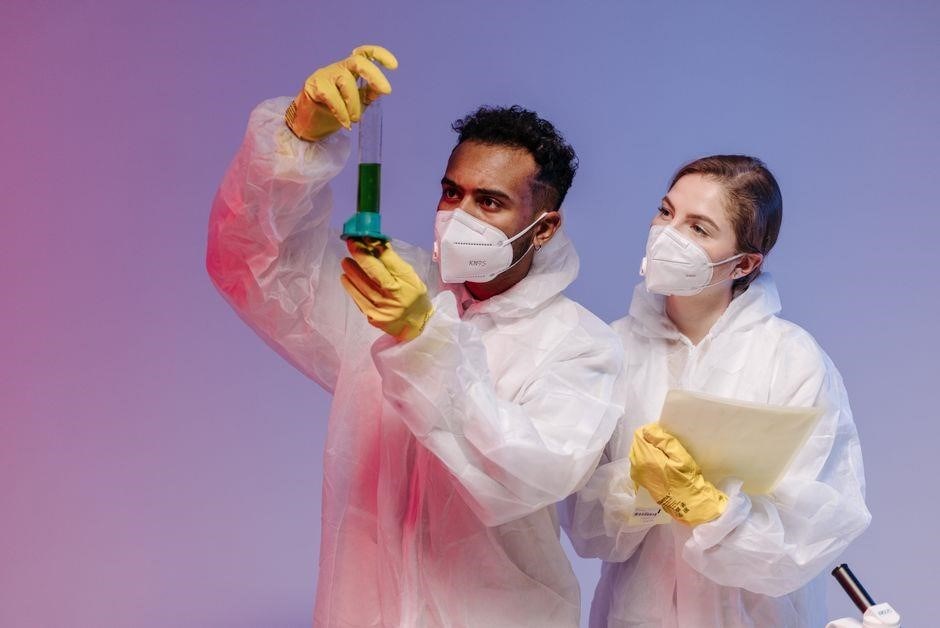
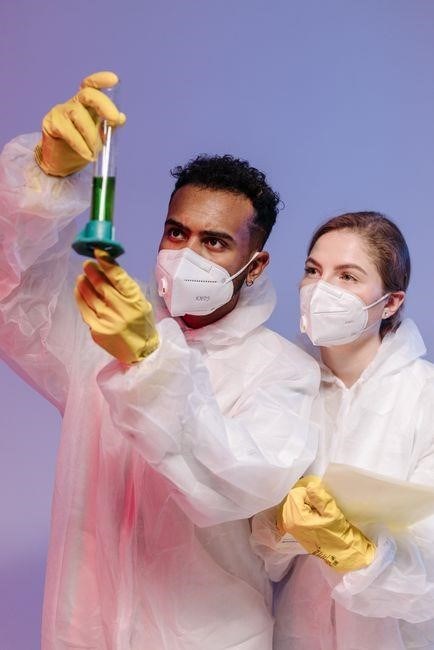
Betco CLN 355 is a neutral pH aqueous buffer with no significant toxicity or irritancy․ Nonetheless, standard laboratory safety protocols should be observed; Wear chemical‑resistant gloves (e․g․, nitrile or neoprene) to prevent skin contact․ Protective eyewear or a face shield is recommended to guard against splashes․ A lab coat or splash gown should be worn to protect clothing and skin․ If handling large volumes or during spills, a respirator rated for aqueous aerosols (e․g․, half‑mask with organic vapor cartridges) to avoid inhalation of fine mist; Ensure adequate ventilation in the work area․ When transferring or pouring, use a funnel or spout to minimize splashing․ Keep the container closed when not in use to prevent accidental release․ Store CLN 355 in a cool, dry place, away from incompatible chemicals such as strong acids or bases․ Label the container clearly with the product name, hazard statements (none) and the date of receipt․ In case of accidental contact rinse the affected area with copious water for at least 15 minutes and seek medical advice if irritation persists․ Dispose of waste according to local regulations․ All personnel must receive training on the SDS and emergency procedures before handling CLN 355․ When preparing solutions a fume hood to contain aerosols․ For large‑volume handling, double‑glove technique is advised․ In case of splashes immediately rinse the skin with water and wash with soap․ If eye contact occurs flush with water for at least 15 minutes and seek medical attention․ Use gloves․ Use!